
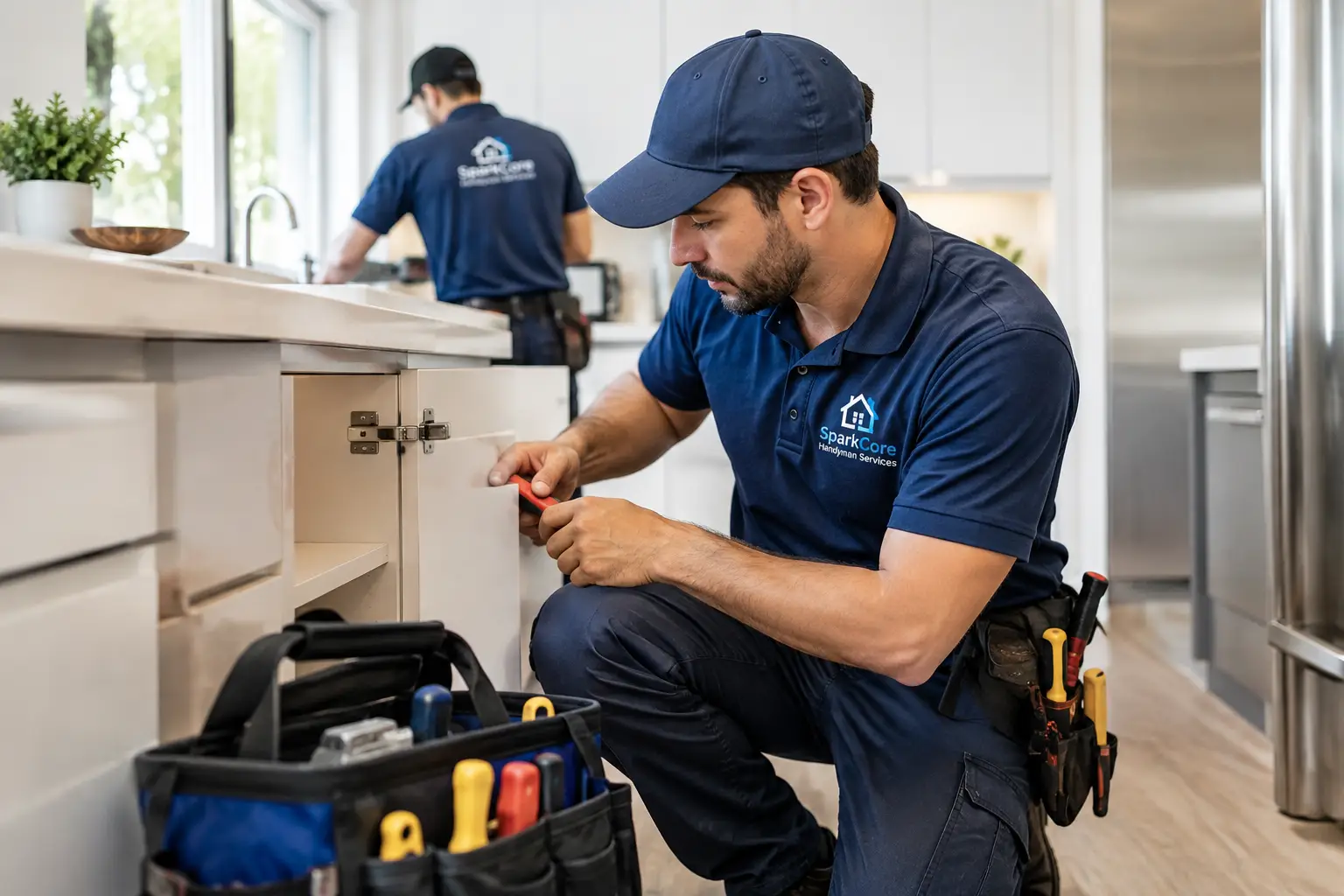


A leaking supply line under a sink, a broken front-door lock, or an AC unit that stops on a hot Los Angeles afternoon cannot sit on a maintenance list for long. Knowing how to schedule rental repairs fast is less about finding the first available person and more about giving the right repair professional enough information to act quickly, safely, and with no surprises.
For landlords, property managers, and tenants, the goal is simple: protect the property, keep residents safe, and get the repair completed without a string of missed calls, vague arrival windows, or repeat visits.
Start by deciding whether it is an emergency
Fast scheduling begins with good triage. Not every repair needs a same-day visit, but delaying the wrong one can turn a small issue into property damage, an unhappy tenant, or a safety concern.
Treat active water leaks, no electricity in essential areas, gas odors, broken exterior locks, sewage backups, exposed wiring, and loss of heat or cooling during severe weather as urgent. For these situations, take reasonable immediate steps first. Shut off the water if it is safe to do so, move belongings away from the leak, avoid using damaged electrical fixtures, and contact the appropriate emergency utility service when needed.
A dripping faucet, loose cabinet hinge, damaged screen, sticking interior door, or small drywall patch is usually less urgent. That does not mean it should be ignored. Grouping routine items into one well-planned visit can save time and reduce service-call costs. The trade-off is that a minor issue may not receive a same-day slot when emergency work is already in progress.
When in doubt, describe what is happening rather than trying to diagnose it. “Water is coming from the wall behind the washing machine” is more useful than “I think the pipe is bad.” Clear facts help a qualified professional prioritize the job correctly.
How to schedule rental repairs fast with the right details
The fastest repair requests are complete before the first phone call or text. A handyman or repair company can often confirm availability much sooner when they know the scope, location, and access situation upfront.
Start with the property address, unit number, resident name, and the best callback number. Then explain the issue in one or two plain sentences: what stopped working, when it began, whether the problem is getting worse, and whether there is active damage or a safety concern.
Photos and short videos are especially helpful. A photo of the leaking connection, damaged wall, broken latch, or affected appliance area can prevent a technician from arriving without the right materials. For intermittent problems, a quick video may show a noise, flickering light, or door alignment issue that a still image cannot capture.
Also share anything that affects the visit. Mention parking restrictions, gate codes, pets, building move-in rules, elevator reservations, and whether the tenant will be home. In dense areas such as Downtown Los Angeles, Hollywood, or Santa Monica, access and parking can add more delay than the repair itself. A five-minute access plan can keep an otherwise same-day job from becoming a reschedule.
If you are managing several units, use the same request format every time. It makes it easier to compare priorities and gives the repair professional a reliable record of what was reported.
Choose a provider based on response and fit, not just price
When something needs attention quickly, it is tempting to accept the lowest estimate or the first person who answers. That can work for a very simple task, but rental repairs come with real responsibilities. You need someone who communicates clearly, shows up as scheduled, and is prepared to explain what was done.
Ask whether they can handle the specific repair, whether they have same-day or next-day availability, and what the expected arrival window looks like. Confirm how pricing works before the work begins. A clear hourly rate, service-call policy, or written estimate is better than an open-ended promise to “take a look.”
For work involving major plumbing, electrical systems, gas lines, structural changes, or permits, a handyman may not be the right fit. Those jobs may require a properly licensed specialist. Scheduling fast should never mean putting a tenant or property at risk by assigning work beyond a provider’s scope.
Insurance and workmanship accountability matter, too. A repair is not truly convenient if you have to chase the provider afterward because the same problem returned. For common residential repairs and maintenance tasks, SparkCore Handyman Services provides insured service, clear communication, and a workmanship warranty so owners and residents know what to expect.
Confirm access before you lock in the appointment
Many rental repair delays are not caused by the repair itself. They happen when nobody can enter the unit, a tenant did not receive the appointment details, or a building manager needs notice before work can begin.
Once you have an appointment, send the tenant a simple confirmation with the date, arrival window, provider name, and a short description of the work. Let them know whether an adult needs to be present and what preparation is helpful. For example, the area under a sink may need to be cleared, or furniture may need to be moved away from a damaged wall.
Respect tenant notice requirements and privacy. Rules can vary by situation and location, so make sure your entry process follows the lease and applicable local requirements. If the repair is urgent, explain why access is needed and document your communication.
For vacant units, verify that keys, lockbox codes, parking instructions, and utility access are available before dispatching anyone. A technician waiting outside a locked building is time that could have been spent completing the repair.
Keep the approval process short and clear
Fast decisions require clear authority. If a property manager must wait for an owner’s approval, agree in advance on a spending threshold for common repairs. That way, a minor plumbing fix or door repair does not sit unresolved while multiple people trade messages.
For larger or uncertain jobs, ask for a written estimate that separates the immediate repair from optional improvements. For example, stopping a leak may be urgent, while replacing a worn vanity or repainting a water-stained room can be scheduled later. This approach protects the property without forcing rushed decisions on cosmetic work.
It also helps to define who can approve changes once work begins. Hidden damage, discontinued parts, or a failed component may change the scope. A quick call or text approval process keeps the technician moving while ensuring the owner stays in control of cost.
Avoid repeat visits with a practical repair brief
A repair visit should end with more than “it’s fixed.” Ask for a brief record of the issue, the work completed, and any recommended follow-up. This is useful for maintenance records, owner reporting, and future troubleshooting if the problem returns.
For recurring issues, look for the cause instead of repeatedly treating the symptom. A door that keeps sticking may point to moisture, settling, or worn hinges. Repeated drywall damage may signal a plumbing issue behind the wall. A GFCI outlet that trips often may be doing its job, but the connected appliance or outlet circuit should be checked.
Before closing the request, confirm that the tenant has tested the repair when possible. Run the faucet, lock the door, switch on the fixture, or open and close the cabinet. A two-minute check while the technician is still there is far easier than a new request later that day.
Build a system for the next repair
Rental maintenance will never disappear, but it does not have to become chaotic. Keep a short list of trusted providers by trade, record past repairs by unit, and schedule seasonal checks for items that commonly create urgent calls. Caulking, weatherstripping, smoke and carbon monoxide detector checks, loose hardware, minor leaks, and exterior wear are often inexpensive to address before they become disruptive.
For property managers with multiple units, a simple repair log is enough. Track the date reported, issue, photos, provider, cost, completion date, and any warranty information. Patterns become easier to spot, and you will spend less time reconstructing what happened during the next turnover or owner update.
The best repair process gives tenants confidence without making owners feel out of the loop. Respond quickly, share accurate details, confirm access, and use a dependable professional who communicates clearly. That is how a repair gets handled fast while still being handled right.