
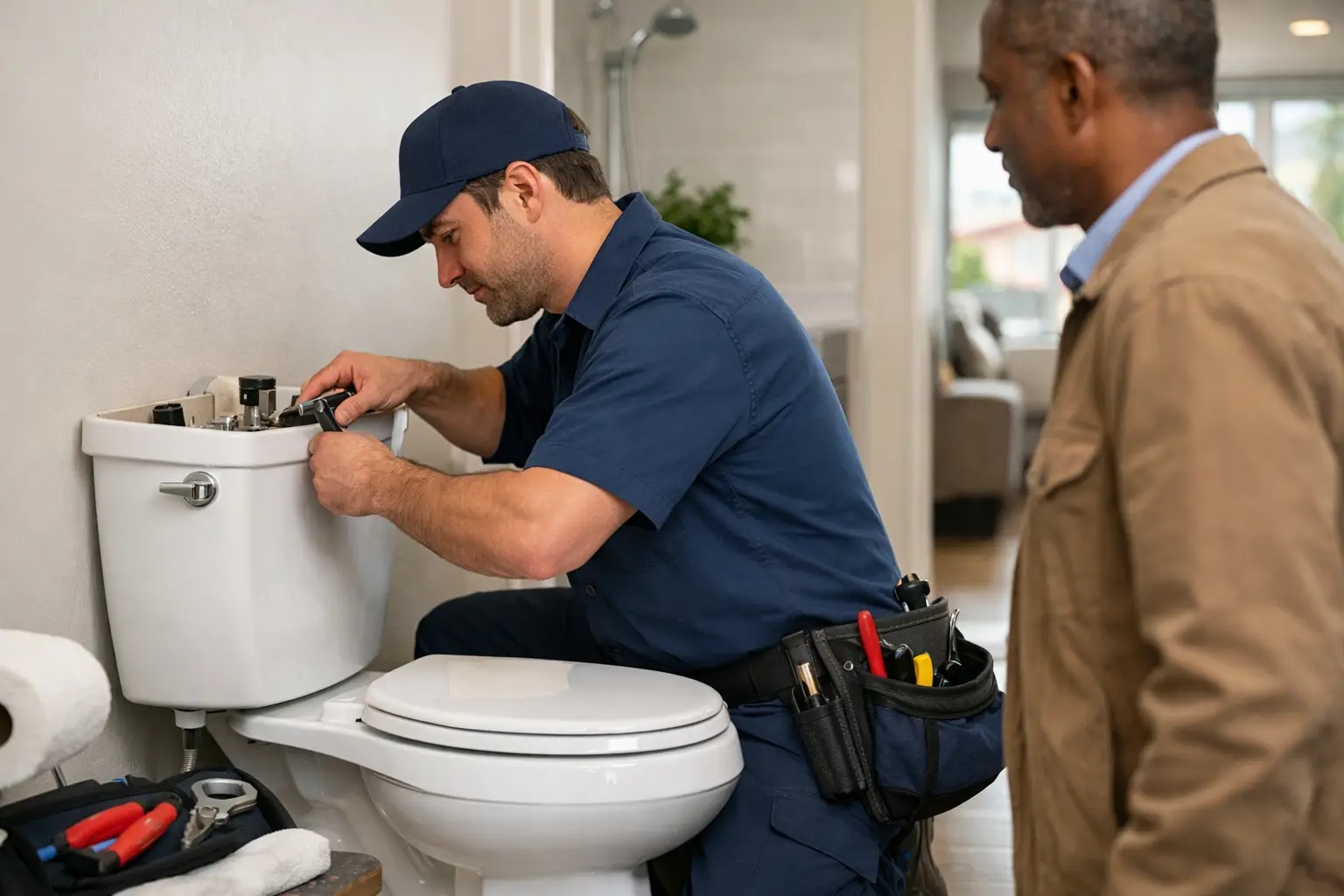


A toilet that will not flush is inconvenient. A toilet that keeps running, leaks at the base, or overflows can quickly become a property-damage problem. For landlords and property managers, toilet repair for rental units is about more than replacing a flapper or tightening a bolt. It means responding quickly, documenting the issue, protecting the unit, and making sure the repair actually lasts.
In Los Angeles rentals, a delayed plumbing repair can affect flooring, downstairs neighbors, mold risk, water bills, and tenant satisfaction. The right approach depends on what failed, whether the tenant caused the damage, and whether the toilet problem affects basic sanitation.
Start by Treating Active Leaks as Urgent
Not every toilet issue needs an emergency after-hours visit, but a leak or overflow should never wait for a convenient opening. Ask the tenant to stop using the toilet if water is escaping onto the floor. If they can safely do so, they should turn the shutoff valve behind the toilet clockwise and remove anything from the floor that could be damaged.
A quick photo or video helps identify whether the issue is a supply-line leak, tank leak, overflow, loose toilet, or water coming from another source. That information can save time when scheduling a repair and gives the technician a clearer picture before arriving.
These issues usually need prompt attention:
- Water is overflowing from the bowl or backing up after flushing.
- Water is pooling around the base of the toilet.
- The supply line, shutoff valve, tank, or bowl has a visible leak.
- The toilet is loose, cracked, or moving when someone sits down.
- One working toilet is unavailable in a unit with only one bathroom.
A constantly running toilet may not flood the floor, but it can waste a surprising amount of water. In a multi-unit property, that can turn into a costly utility bill before the next inspection. It is generally a fast repair when the problem is a worn flapper, faulty fill valve, or improperly adjusted float.
Know What Usually Falls to the Landlord
Rental agreements and local rules matter, but landlords are generally responsible for keeping plumbing fixtures safe, functional, and sanitary. A toilet that does not flush, leaks, or cannot be used normally is usually a maintenance responsibility, especially when the cause is age, normal wear, an internal part failure, or a building plumbing issue.
Common landlord repairs include replacing worn tank components, fixing a leaking water connection, resetting a loose toilet, replacing a failed wax ring, repairing a damaged shutoff valve, and addressing clogs caused by a main drain or older plumbing. If the toilet is cracked or severely worn, replacement is often the smarter call than repeated repairs.
Tenant-caused damage can be different. For example, if an inspection confirms that a hard object, excessive paper products, wipes, or another non-flushable item caused the blockage, the cost may be chargeable under the lease. Still, the priority is to restore safe working conditions first. Sorting out responsibility should not leave a tenant without a usable bathroom.
Avoid assuming fault based on the first report. Older drain lines, low-flow toilets, tree roots, and recurring blockages can look like simple misuse until someone investigates. Clear documentation protects both the owner and tenant.
Toilet Repair for Rental Units Starts With the Right Diagnosis
Toilet problems often have similar symptoms but different causes. Replacing parts without finding the source can lead to repeat service calls, frustrated tenants, and unnecessary costs.
A Toilet That Runs Continuously
When water continues moving into the bowl after a flush, the flapper may be worn, warped, or dirty. The fill valve may also be failing, or the float may be set too high. These are usually straightforward repairs, but matching the replacement part to the toilet and testing several flush cycles matters.
If the toilet runs only occasionally, the issue can be harder to catch. Ask the tenant whether they hear refilling at night or see water moving in the bowl when no one has flushed. A simple dye test can help confirm a slow flapper leak.
Water Around the Toilet Base
Water at the base does not always mean the wax ring has failed. Condensation, a tank-to-bowl leak, a dripping supply line, or water splashing from a shower can create the same appearance. A technician should dry the area, flush the toilet, and inspect where moisture returns.
If the wax ring is leaking, the toilet needs to be removed, the flange checked, and the toilet reset properly. Simply applying caulk around a leaking base hides the symptom and can allow water damage below the flooring to worsen.
Frequent Clogs or a Weak Flush
A plunger may clear an occasional clog, but repeated clogs deserve a closer look. The trap can be partially obstructed, the toilet may be underperforming, or the drain line may have a larger issue. In older Los Angeles buildings, recurring backups may point to aging pipe conditions rather than the toilet itself.
A weak flush can also come from a low tank water level, a damaged flush valve, mineral buildup, or a toilet design that is no longer performing well. When a unit has repeat clog complaints, replacing an older toilet with a quality, water-efficient model may cost less than multiple calls over the next year.
Repair or Replace: Make the Cost-Smart Choice
For a newer toilet with a failed flapper, fill valve, handle, or supply line, repair is almost always the practical choice. These parts are affordable, and a proper repair can restore reliable performance quickly.
Replacement makes more sense when the bowl or tank is cracked, the toilet rocks because of a damaged base or flange issue, it repeatedly clogs despite drain work, or it has needed multiple internal repairs in a short period. A very old toilet may also use more water than a modern replacement, which affects operating costs over time.
The lowest immediate price is not always the lowest ownership cost. A cheap replacement toilet that flushes poorly can generate more tenant complaints than a better-quality model installed correctly. Property managers should consider bowl height, flush performance, parts availability, water use, and how easily the toilet can be serviced later.
Prevent Repeat Calls With Simple Maintenance Standards
The best rental maintenance plan is not complicated. It is consistent. Check toilets during turnover inspections and whenever a tenant reports a slow leak, loose seat, unusual noise, or weak flush. Small repairs are easier before water reaches flooring or cabinetry.
During a turnover, test each toilet several times, inspect the shutoff valve and supply line, look for movement at the base, and check for moisture behind and around the fixture. Confirm that the toilet seat is secure and that the tank refills and stops correctly. These small checks can prevent an avoidable call during the first week of a new tenancy.
Tenant communication also helps. A short move-in reminder should explain that wipes, paper towels, feminine hygiene products, cotton swabs, dental floss, and similar items do not belong in the toilet. Even products labeled flushable can contribute to drain problems, particularly in older plumbing systems.
Keep a record of the unit number, reported symptom, repair performed, parts used, photos if there was water damage, and whether a tenant reported a possible cause. This record makes it easier to identify patterns. If the same unit has repeated clogs, there may be a drain-line issue worth investigating instead of treating every call as a separate event.
Choose a Repair Partner Who Communicates Clearly
For rental properties, reliability matters as much as the repair itself. Tenants need notice, property managers need accurate updates, and owners need clear pricing before a small problem turns into a larger one. The technician should explain what failed, what was repaired, and whether there is any reason to monitor the fixture or plan a replacement.
SparkCore Handyman Services helps property owners and managers with practical toilet repairs, replacements, and related home maintenance across Los Angeles. For active leaks or a nonworking toilet, same-day help can make the difference between a contained repair and a damaged bathroom.
A well-handled toilet issue reassures tenants that the property is cared for and gives owners confidence that the repair was done with the next service call in mind, not just the current one.