
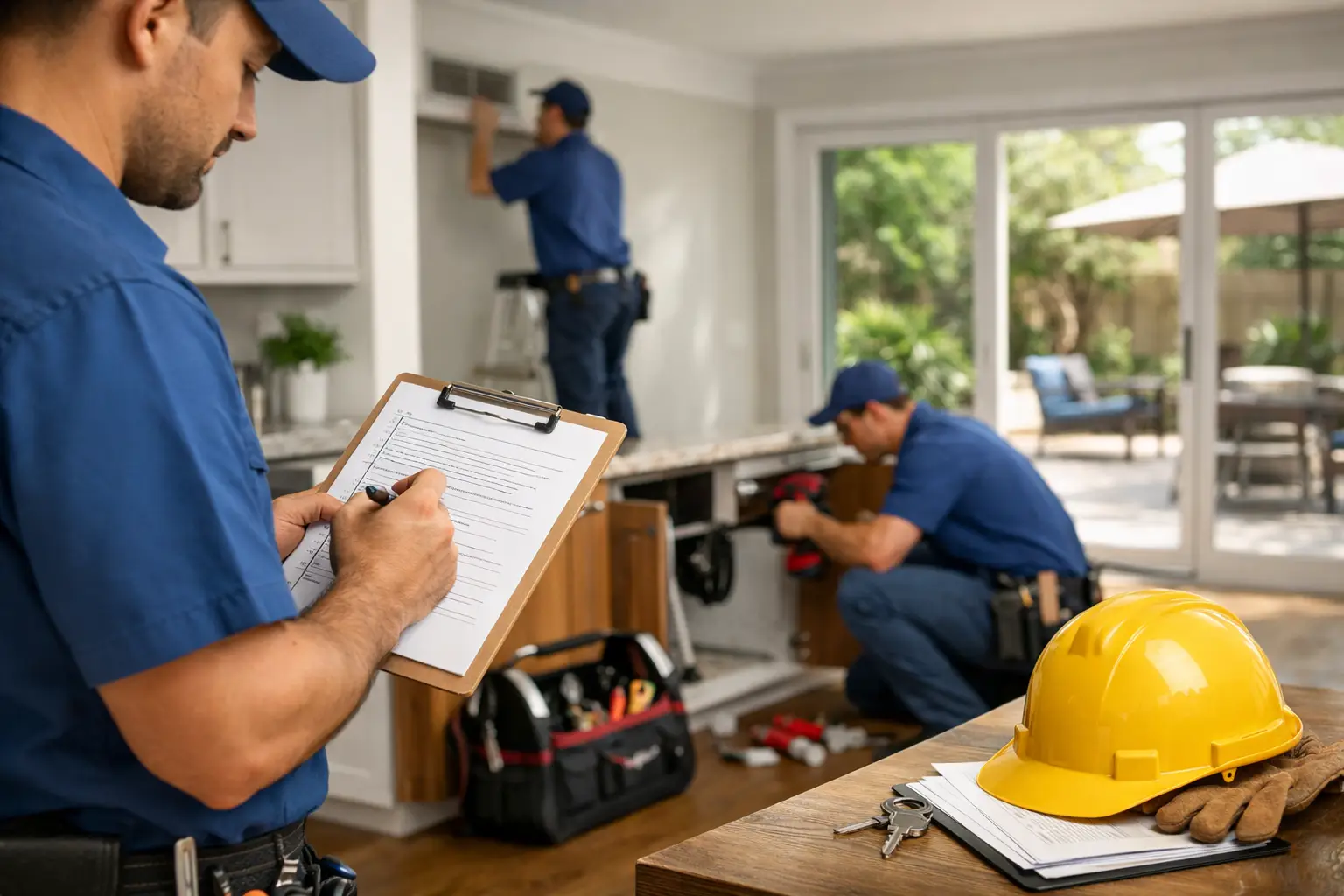


A loose cabinet hinge, a dripping faucet, and an HVAC filter you meant to change three months ago – that is how most home maintenance starts. Not with one big crisis, but with a dozen small things competing for your attention. If you are looking for home maintenance checklist help, the real goal is not to create a perfect spreadsheet. It is to make sure your home stays safe, efficient, and easier to manage without turning every weekend into a workday.
For most homeowners, the problem is not knowing that maintenance matters. It is knowing what actually deserves attention now, what can wait, and what should be handed off to someone with the right tools and experience. A good checklist should reduce stress, not add to it.
What good home maintenance checklist help should actually do
A useful checklist helps you catch wear early. That sounds simple, but it is where people save money. A minor caulk failure around a tub can turn into water damage. A small roof issue can become drywall damage after one hard rain. A sticking exterior door can point to humidity, settling, or hardware wear before it becomes a security issue.
The best checklist also fits real life. If you work long hours, manage rental property, or are getting a home ready to sell, you probably do not need a twelve-page maintenance system. You need a short, dependable rhythm. Think monthly checks for the basics, seasonal reviews for bigger systems, and a running list of repair items that should be grouped into one service visit when possible.
That last part matters. Homeowners often lose more time coordinating five small jobs than they would spend solving one larger issue. Bundling tasks is usually the more practical move.
A simple schedule that homeowners can keep up with
Instead of trying to inspect everything all the time, break maintenance into manageable intervals.
Monthly checks
Once a month, walk through the house with fresh eyes. Test smoke and carbon monoxide detectors. Look under sinks for moisture, staining, or slow leaks. Check bathrooms for failing grout or peeling caulk. Make sure GFCI outlets trip and reset properly in kitchens, baths, garages, and outdoor areas.
This is also a good time to notice the small things people get used to. A door that does not latch cleanly, a loose handrail, or a wobbling ceiling fan may not feel urgent, but these are exactly the kinds of issues that pile up.
Seasonal maintenance
Seasonal work is where most bigger systems get attention. Before summer, inspect weatherstripping, window seals, exterior paint touch-up areas, and irrigation leaks. In warmer parts of Southern California, air conditioning performance is not just a comfort issue – it affects energy bills and indoor air quality too.
Before cooler or rainy periods, clean out gutters if your property has them, check roof drainage, inspect exterior caulking, and look for cracks around doors and windows. Even in Los Angeles, where weather is milder than many parts of the country, wind, sun, and occasional heavy rain still wear down exterior materials faster than many homeowners expect.
Annual reviews
At least once a year, step back and review the bigger picture. This is the time to inspect fencing, decks, exterior trim, attic ventilation, water heater condition, and any signs of pest entry. If you own an older home, annual review matters even more. Aging caulk, dated plumbing connections, and repeated patch repairs can hide a larger pattern.
Annual review is also when you should ask whether your current maintenance approach is working. If the same issues keep coming back, the problem may not be upkeep. It may be that a repair was temporary when a replacement was really needed.
The areas homeowners skip most often
Some parts of the house are easy to ignore because they are not front and center. They still affect comfort, safety, and long-term cost.
Caulking is a big one. Around tubs, sinks, backsplashes, and exterior joints, failed caulk lets water and air move where they should not. It looks minor, but neglecting it is expensive.
Door and window hardware is another. Loose hinges, misaligned strikes, sticking locks, and worn rollers often get tolerated for months. Then one day a door will not close right, or a window becomes hard to use. The earlier these are adjusted, the easier the fix usually is.
Drywall damage also gets postponed more than it should. Small holes, corner bead wear, and cracks may seem cosmetic, but they can make a home look neglected fast. For landlords, sellers, and busy homeowners, these details affect how the whole property feels.
Then there is paint. Peeling paint indoors can signal moisture or poor prep from an older repair. Outdoors, failed paint exposes wood and trim to more damage. Paint is not just appearance. Sometimes it is protection.
DIY or hire it out? It depends on the task
This is where many checklists fall short. They tell you what to inspect but not what you should realistically handle yourself.
A homeowner can usually manage filter changes, detector testing, visual leak checks, and simple touch-up tasks if they are comfortable doing so. These are low-risk, routine items.
But once a task involves ladders, electrical troubleshooting, water damage, wall repair, door reframing, fixture replacement, or multiple small repairs across the house, hiring help often makes more sense. Not because every task is difficult, but because time, safety, and finish quality matter.
There is also the question of momentum. A lot of maintenance gets delayed because one repair turns into three. You start with a loose towel bar, find drywall damage behind it, then realize the bathroom caulk needs replacing too. At that point, the job is less about DIY confidence and more about having the right materials and enough time to finish cleanly.
Home maintenance checklist help for busy households
If your schedule is packed, your checklist should be built around decisions, not just tasks. Ask three questions when something comes up: Is it causing active damage? Is it affecting safety or daily use? Is it cheaper to handle now than later?
If the answer is yes to any of those, move it up the list.
This approach helps sort real priorities from background noise. A cosmetic wall scuff can wait. A small plumbing leak usually should not. A squeaky hinge is annoying. A front door that does not lock properly is a same-week fix.
For families, landlords, and people managing multiple responsibilities, it also helps to keep one running repair list on your phone. Add items as you notice them. Once the list reaches four or five tasks, it is usually time to schedule them together. That is often the fastest path to getting your home back under control.
When a checklist becomes a repair backlog
A checklist is meant to prevent backlog, but many people use it to document backlog instead. That is a different problem.
If you already have a growing list of unfinished fixes, stop adding categories and start grouping work by trade and location. Bathroom touch-ups, drywall patching, trim repair, door adjustments, hardware replacement, and paint correction can often be handled more efficiently in one visit than spread across months.
This is where a dependable handyman service can be a real advantage. Instead of calling different contractors for every small issue, you get practical help for the kinds of repairs that keep a home functional and presentable. For homeowners in Los Angeles, where time is short and coordinating service appointments can be a project by itself, speed and clear pricing matter just as much as the repair itself.
A checklist should make your home easier to live in
The point of maintenance is not to create more chores. It is to protect the home you have already invested in and make daily life smoother. That means fewer surprise leaks, fewer sticking doors, fewer half-finished repair notes on the fridge.
A smart checklist is short, repeatable, and honest about what you will actually keep up with. It leaves room for DIY where that makes sense and gives you permission to call in help when the list stops being practical.
If your home has started collecting small issues faster than you can clear them, that is not a sign you are behind. It usually just means the house needs a reset. Start with the repairs that affect safety, water, and daily use. Then work outward. The simple stuff matters more than most people think, especially when it gets done on time.