
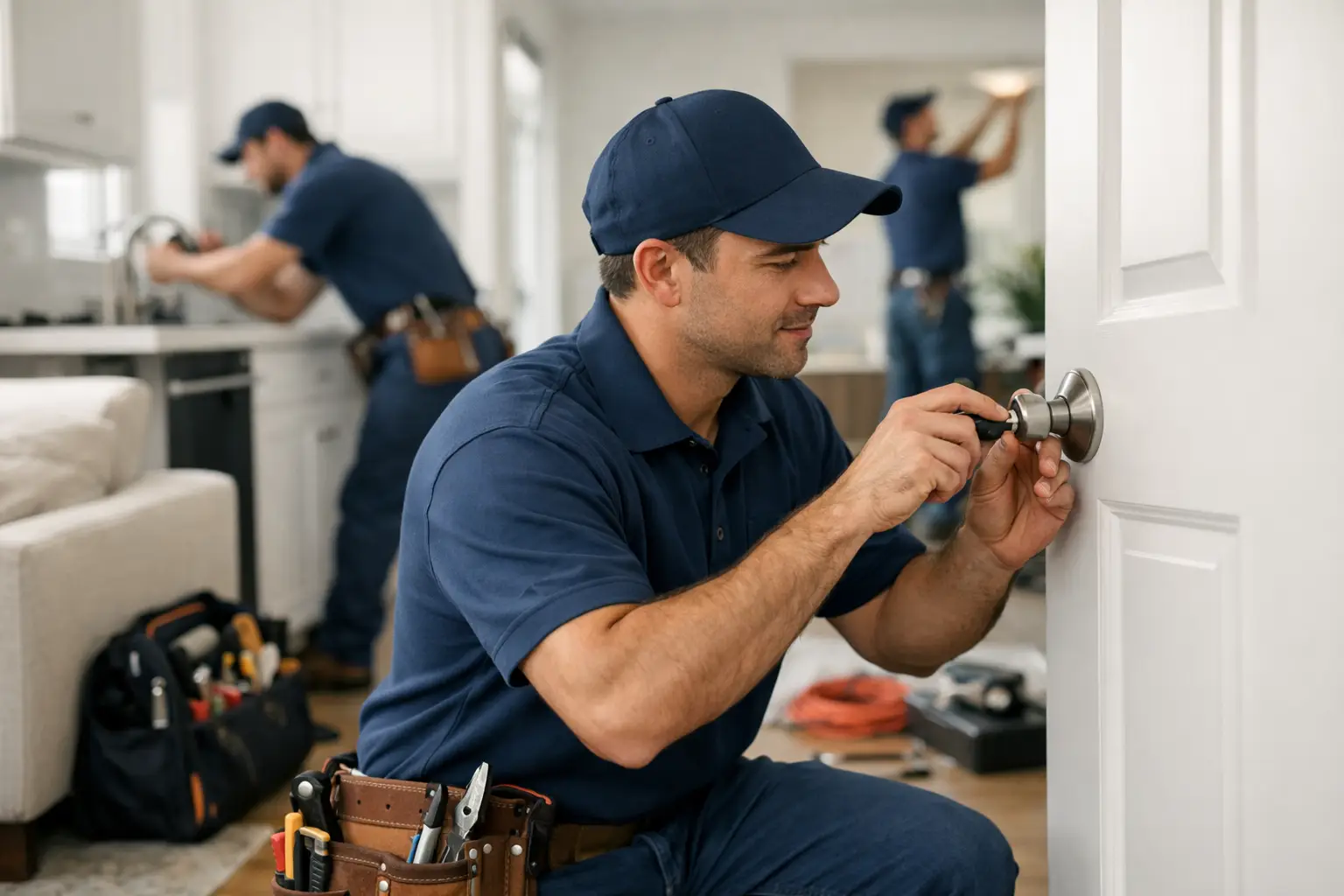


That sticky bedroom door, the loose cabinet hinge, the caulk line turning black around the tub – most small home repair projects start the same way. You notice them, work around them for a while, and tell yourself you’ll get to them later. Then later turns into a longer punch list, and a few quick fixes become a weekend you still do not have time for.
The good news is that many of these jobs are worth handling early. Not because every loose handle is a home emergency, but because small problems tend to spread. A dripping faucet stains a sink base. A cracked grout line lets moisture in. A damaged baseboard starts to look like a bigger cosmetic issue than it really is. For busy homeowners, landlords, and property managers, that is where practical repair work makes a real difference.
Why small home repair projects matter more than people think
Most homeowners do not ignore repairs because they do not care. They ignore them because the job seems minor, the schedule is packed, or it is hard to know whether something needs a simple fix or a real contractor. That gray area is exactly why these projects pile up.
Small home repair projects often sit in the sweet spot between DIY and specialized trade work. They are usually not big enough for a remodel company, but they still need proper tools, steady workmanship, and someone who shows up when promised. If the repair is done right, you get a home that works better without turning your week upside down.
There is also a cost angle. Small repairs are usually cheaper before water, wear, or repeated use make them worse. Replacing failed caulk around a shower is straightforward. Replacing drywall and dealing with moisture damage behind the tile is not. Tightening a handrail is simple. Fixing the wall after the anchors pull out is more involved.
The repairs that deliver the fastest value
Not every repair has the same payoff. Some are mostly cosmetic. Others improve function, safety, and peace of mind right away.
Bathroom and kitchen fixes
Bathrooms and kitchens wear out faster than almost any other part of the house. They get moisture, heat, repeated use, and constant cleaning. That is why a lot of high-value small home repair projects happen there first.
Re-caulking tubs, showers, backsplashes, and sinks can make a space look cleaner and help protect surfaces from water intrusion. Replacing a worn faucet, fixing a slow drip, adjusting a cabinet door, or securing a loose towel bar are all small jobs, but you notice the difference every day.
There is a trade-off here. Some cosmetic wear is harmless, and not every old caulk line means hidden damage. But if you see gaps, peeling, mildew that keeps coming back, or soft material nearby, waiting usually does not help.
Drywall, doors, and trim
These are the repairs people tend to live with for too long because they feel annoying rather than urgent. A hole in the wall from a doorknob, cracked corner bead, scuffed baseboards, or a bedroom door that will not latch might not stop life at home, but they make the place feel unfinished.
Drywall patching and paint touch-up can clean up a room fast, especially before guests, move-ins, or listings. Door adjustments matter more than people expect too. A sticking door can point to normal settling, humidity, or worn hardware. It does not always mean there is a structural issue, but it does usually mean the door needs attention if you want it to close properly without a shoulder check.
Hardware and fixture replacements
Loose handles, wobbly curtain rods, damaged shelf brackets, old light fixtures, and worn-out locks tend to be classic backlog items. They are easy to postpone because the house still functions. But these are often the projects that improve daily convenience the most.
Replacing hardware is also one of the simplest ways to make a home feel more maintained without spending on major upgrades. It is not glamorous work. It is just the kind of practical improvement that removes friction from everyday routines.
When DIY makes sense and when it does not
A lot of homeowners are comfortable doing basic repairs, and sometimes that is the right call. Tightening screws, swapping a showerhead, or touching up a small paint scuff may be worth doing yourself if you have the time and know what you are looking at.
The problem is that many supposedly simple repairs are only simple when everything goes smoothly. A toilet paper holder turns into wall repair because the anchors failed. A fixture swap turns into a wiring question. A patch job turns obvious after paint because the surface was not prepped right. That is when the cheap fix becomes a second repair.
If a project involves water risk, electrical connections, wall damage, mounting into questionable surfaces, ladder work, or anything where a poor result will keep bothering you, hiring help usually saves time and frustration. For many homeowners, the real value is not just labor. It is having the job finished properly, on schedule, without adding another half-done project to the list.
How to prioritize your repair list
If your home has ten small issues at once, do not start by ranking them by annoyance alone. Start with consequence.
Anything involving active leaks, moisture exposure, loose railings, failing locks, unstable fixtures, or electrical concerns belongs near the top. After that, look at repairs that affect daily use, such as doors that do not close, drawers that stick, or damaged caulk around frequently used sinks and showers. Cosmetic items can come next, especially if several can be handled in one visit.
Bundling matters. Homeowners often save time and money by grouping multiple small home repair projects together instead of scheduling one issue at a time. A visit that covers drywall touch-up, door adjustment, re-caulking, and hardware replacement is usually more efficient than treating each as a separate event.
This is especially useful before a tenant turnover, home sale, family visit, or holiday season. A short repair list handled at once can change how a property feels without the cost of full renovation work.
What a professional repair visit should feel like
People do not just hire for skill. They hire for reliability. That matters a lot in home repair because the work happens inside your home, on your schedule, often around work calls, kids, pets, or tenants.
A good repair experience should be straightforward. Clear communication, realistic arrival windows, transparent pricing, and a clean finish matter just as much as the repair itself. Homeowners should not have to chase updates, wonder who is showing up, or guess whether the final bill will match the conversation.
That is one reason owner-led local services tend to stand out. When the person handling the work is accountable from estimate to completion, the process usually feels simpler. For customers in Los Angeles, where schedules are packed and appointments are easy to miss, that consistency has real value.
Small home repair projects that are easy to postpone but worth doing now
Some repairs sit quietly until they become expensive or embarrassing. These are the ones that deserve a second look:
- Loose toilets or rocking bathroom fixtures
- Failing caulk around tubs, showers, and sinks
- Cabinet doors that sag or do not close
- Wall damage from anchors, doors, or furniture impact
- Sticking interior doors and misaligned latches
- Broken trim, cracked baseboards, or missing transition strips
- Leaky faucets and under-sink drips
- Wobbly shelves, curtain rods, and mounted accessories
None of these automatically signals a major problem. But each one can affect appearance, function, or long-term wear if it keeps getting ignored.
A practical standard for deciding what to fix
If a repair affects safety, can cause damage, gets used every day, or makes the home feel neglected, it is probably worth handling sooner rather than later. That does not mean every nick in the wall needs immediate service. It means the small jobs that keep repeating in your mind are usually the ones lowering comfort and creating future work.
A well-kept home is rarely the result of one huge project. More often, it comes from steady attention to the basics – the things that close properly, stay sealed, look clean, and work the way they should. If your repair list has been sitting on the fridge, in your notes app, or in a text draft for months, there is a good chance the smartest next step is simply to stop living around it.